
Custom software, modules and portals
Bespoke systems built around the workflow — from WordPress modules to full operational platforms.
When the business has outgrown manual admin, disconnected tools or generic plugins, we can design and develop custom software experiences that make the workflow cleaner, clearer and much more usable for the people involved.
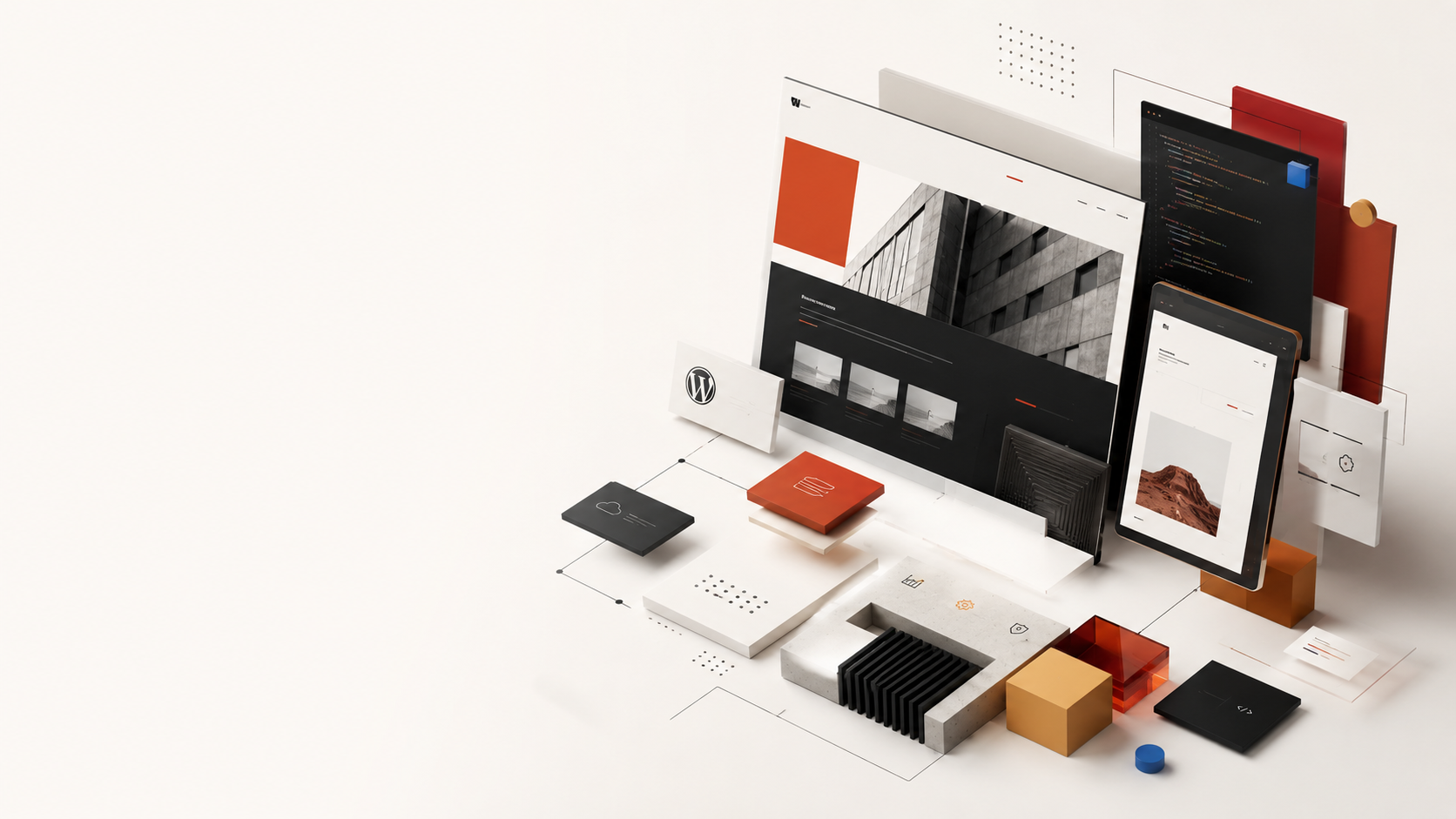
Operational software interface
Dashboards, modules and workflows designed around the people using them.
What can be built
Custom development should fit the process — not force the process to fit the software.
WordPress modules and plugins
Purpose-built functionality such as booking tools, calculators, portals, approval workflows, member features and custom admin interfaces.
Client and staff portals
Secure account areas for documents, statuses, communication, onboarding, renewals, payments, uploads or protected resources.
Operational dashboards
Role-based systems for teams to manage bookings, listings, content, orders, leads, reporting or day-to-day actions more efficiently.
Workflow and automation tools
Reduce repeated admin, centralise information and create clearer next steps with more structured digital workflows.
Connected business systems
Where needed, websites and software can connect to payment tools, CRMs, email systems, APIs or wider internal processes.
A stronger custom development approach
Software work benefits from the same brand and user-experience care as the front-end website.
Discovery first
We start by understanding the workflow, the users, the decisions and where time or clarity is currently being lost.
Interface thinking
Dashboards and modules need to feel clean, understandable and efficient to use — not just technically functional.
Right-sized builds
Some briefs need a lighter WordPress module. Others need a broader connected platform. The solution should match the actual requirement.
Permissions and control
User roles, visibility, approvals and data access can be planned into the structure from the start.
Scalable foundations
Custom systems can expand into additional modules, account features, apps or deeper integrations as the business grows.
Practical outcomes
The goal is better operations, fewer bottlenecks, stronger reporting and a smoother experience for staff or customers.
Examples of custom development
Not every business needs the same type of platform, which is exactly why bespoke work matters.
Examples include booking systems, directory platforms, member dashboards, lead-routing tools, score or ranking systems, gated account areas, ecommerce enhancements, quote calculators and purpose-built admin tools. If the process can be described clearly, there is a good chance it can be designed into a better digital system.